
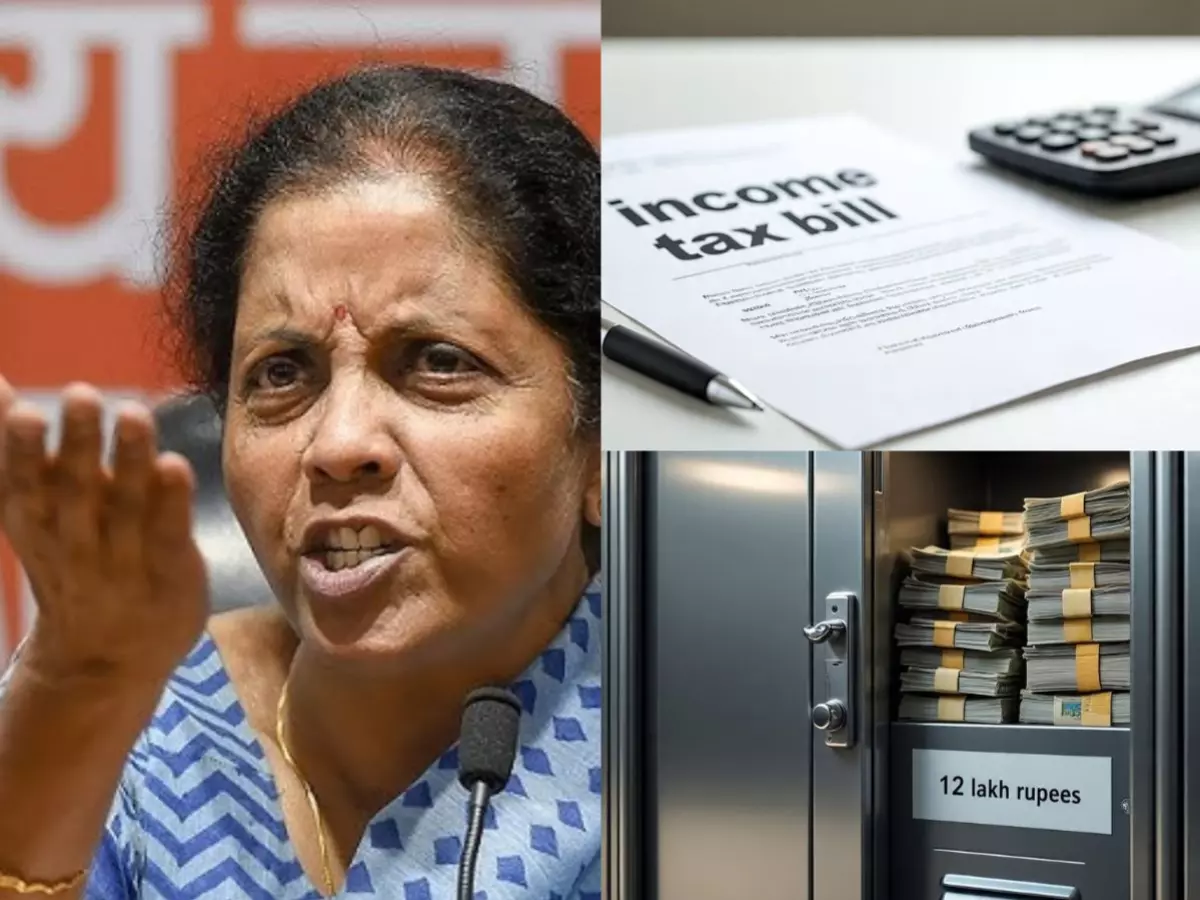
Latest Income Tax Changes in India
Navigating income tax updates can be daunting, but staying informed helps you make smarter financial decisions. Here’s a streamlined overview of the most recent developments as of August 15, 2025:
1. Tax Rebate for Short-Term Capital Gains under New Regime
The Income Tax Appellate Tribunal (ITAT), Ahmedabad, has ruled that taxpayers under the new tax regime (Section 115BAC(1A)) can claim the Section 87A tax rebate even on Short-Term Capital Gains (STCG). The ruling clarifies that the rebate is not lawfully denied due to STCG—though some legal uncertainty remains and a higher court’s view may be needed in future.
2. Expanded Zero-Tax Threshold for Salaried Individuals
Under the revised tax rules for FY 2025–26, salaried individuals enjoying the standard deduction (₹75,000) and the 87A rebate can avail complete tax exemption on incomes up to ₹12.75 lakh—with the exception of special incomes like STCG, which remain taxable separately.
3. Major Structural Reform—New Income Tax Bill Passed
On August 11, 2025, the Lok Sabha passed the Income-Tax (No. 2) Bill, 2025, a comprehensive overhaul of the six-decade-old Income Tax Act, 1961:
-
Sections reduced from 819 to 536; chapters condensed from 47 to 23.
-
Faceless, digital-first assessment processes rolled out to promote transparency and reduce human interface.
-
Flexibility introduced: Tax officials must issue notices before taking action, and TDS refunds allowed post-ITR deadlines without penalties.
-
The ₹12 lakh basic exemption remains intact, ensuring continuity for taxpayers.
4. Four Key Amendments Already Incorporated
Effective from FY 2025–26, several specific amendments have already been integrated into the tax code:
-
Tax exemption for sovereign and pension funds investing in infrastructure (2020–2030), subject to notification.
-
Abatement of assessments in search cases until completion of block assessment orders, easing compliance pressures.
-
Clarifications around standard deduction, the Unified Pension Scheme (UPS) vis-à-vis NPS, and updates in enforcement procedures.
5. Temporary Dip in Tax Collections & Enhanced Refunds
From April 1 to August 11, 2025, net direct tax collections dropped by 4% year-on-year, totaling ₹6.64 trillion—attributed to recent tax cuts and a delayed filing deadline. However, tax refunds surged 10%, with ₹1.35 trillion disbursed. The government anticipates a 13% increase in direct tax revenue for FY 2025–26.
What This Means for Taxpayers
-
Middle-class taxpayers benefit significantly: Those with taxable income up to ₹12 lakh can potentially owe zero tax, thanks to higher rebate and standard deduction.
-
Capital gains still require attention: STCG remains taxable under the new regime, even with the rebate ruling—so planning ahead remains crucial.
-
Compliance easier than before: The new bill introduces smoother digital processes, clearer communication, and faster refunds—paving the way for hassle-free tax compliance.
-
Stay informed: Structural changes to the law and new regulations mean you may need to revisit your tax choices—especially when selecting between the old and new tax regimes.
Quick Summary Table
| Feature | Highlight |
|---|---|
| Tax Rebate on STCG | Claimable under new regime—per ITAT ruling |
| Zero-Tax Threshold | ₹12.75 lakh (salary + standard deduction + rebate), excluding STCG |
| New Tax Law Structure | Sections cut to 536; 23 chapters; digital-first processes |
| Key Amendments | Sovereign fund exemptions, search abatement, UPS/NPS alignment |
| Tax Collections & Refund Trend | Dip in net tax (-4%), but refunds up 10% |